


Introduction: The Silent Language of Cinema
Movies are not only about scripts, acting, and cinematography—they are often silent exhibitions of stunning artworks. Paintings in movies appear as more than background décor; they serve as symbols, plot devices, or reflections of characters’ inner worlds.
If you spend a couple of days on an “art-in-movies” film marathon, you will quickly notice how directors weave fine art into stories—introducing audiences to masterpieces they may never encounter even in art galleries. These cinematic moments transform both the films and the artworks themselves.
1. Caravaggio’s Judith Beheading Holofernes in The Hunger (1983)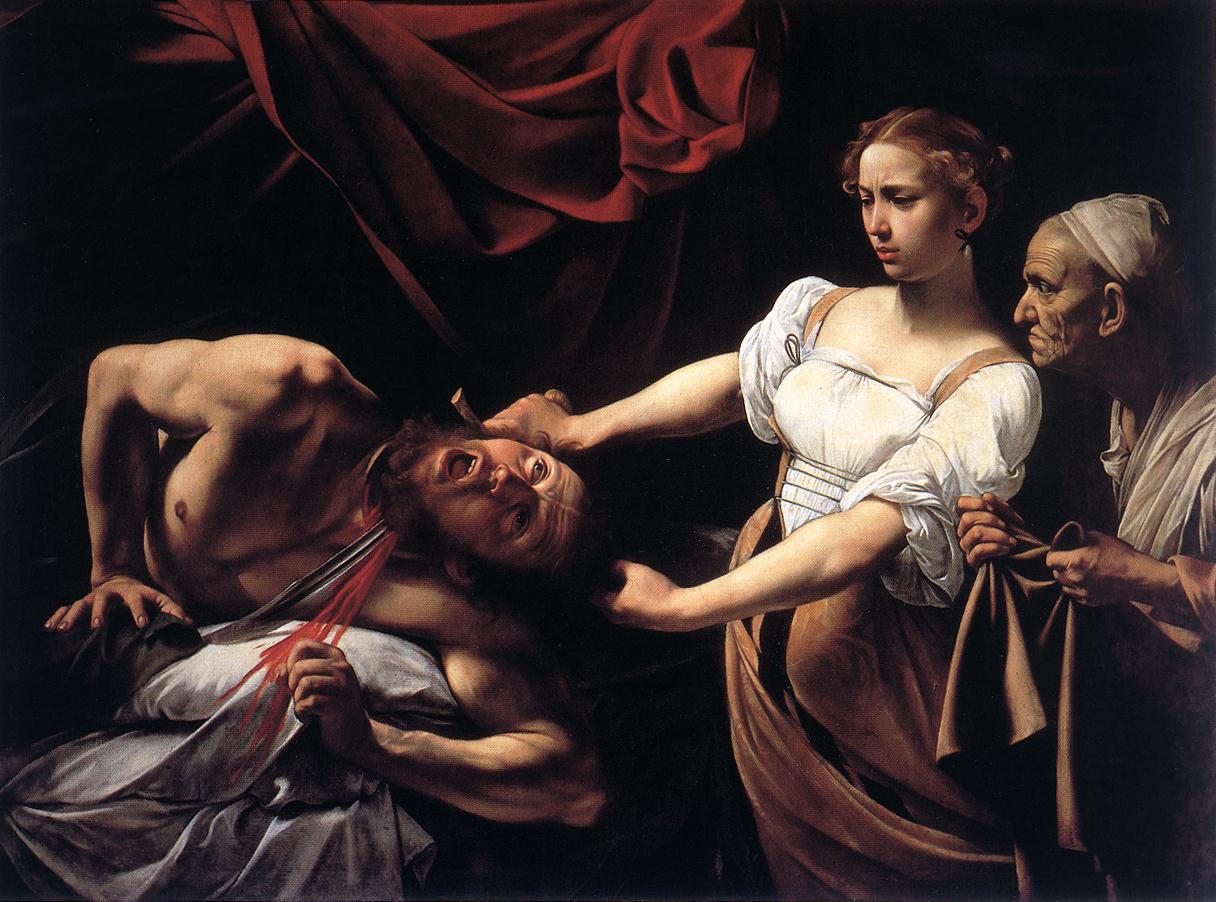
Tony Scott’s vampire thriller The Hunger opens with David Bowie and Catherine Deneuve’s characters surrounded by Caravaggio’s dramatic canvas. The brutal scene of Judith slaying Holofernes mirrors the violent, predatory nature of the protagonists.
Cultural impact: Caravaggio’s intense chiaroscuro style underlines themes of life, death, and temptation. For viewers unfamiliar with Baroque art, the film acts as a gateway to Caravaggio’s world.
2. Goya’s Saturn Devouring His Son in The Others (2001)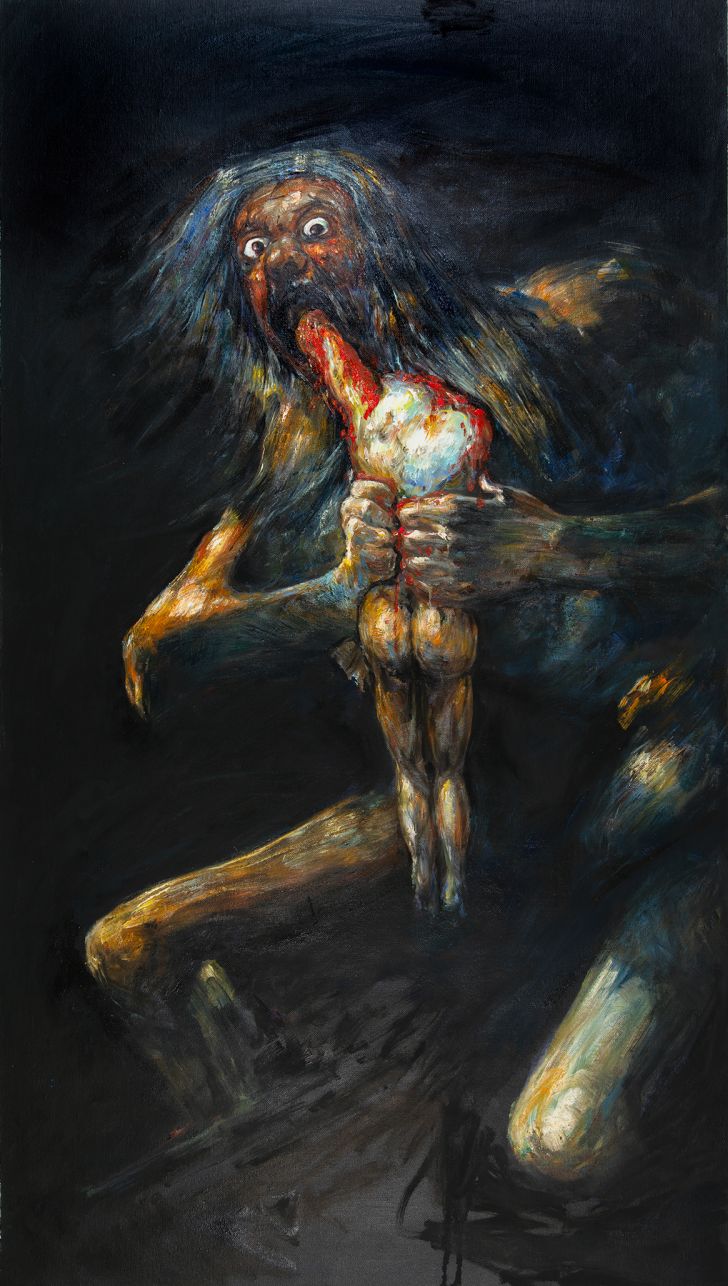
Alejandro Amenábar’s gothic masterpiece uses horrifying painting by Goya as a chilling backdrop. The grotesque imagery reflects themes of hidden secrets and devoured innocence, intensifying the film’s unsettling atmosphere.
Cultural impact: This canvas is one of the darkest in Western art history. Its presence in a popular thriller introduced millions of filmgoers to Goya’s nightmarish vision.
3. Klimt’s Portrait of Adele Bloch-Bauer I in Woman in Gold (2015)
This biographical drama tells the true story of Maria Altmann’s legal battle to reclaim Klimt’s masterpiece looted by the Nazis. The painting itself becomes a central character—a symbol of memory, justice, and cultural restitution.
Cultural impact: Here, cinema not only displayed art but also reshaped global awareness of stolen art during WWII. The film revived worldwide interest in Klimt, making Adele one of the most recognisable portraits in modern culture.
4. Rembrandt’s The Night Watch in Nightwatching (2007)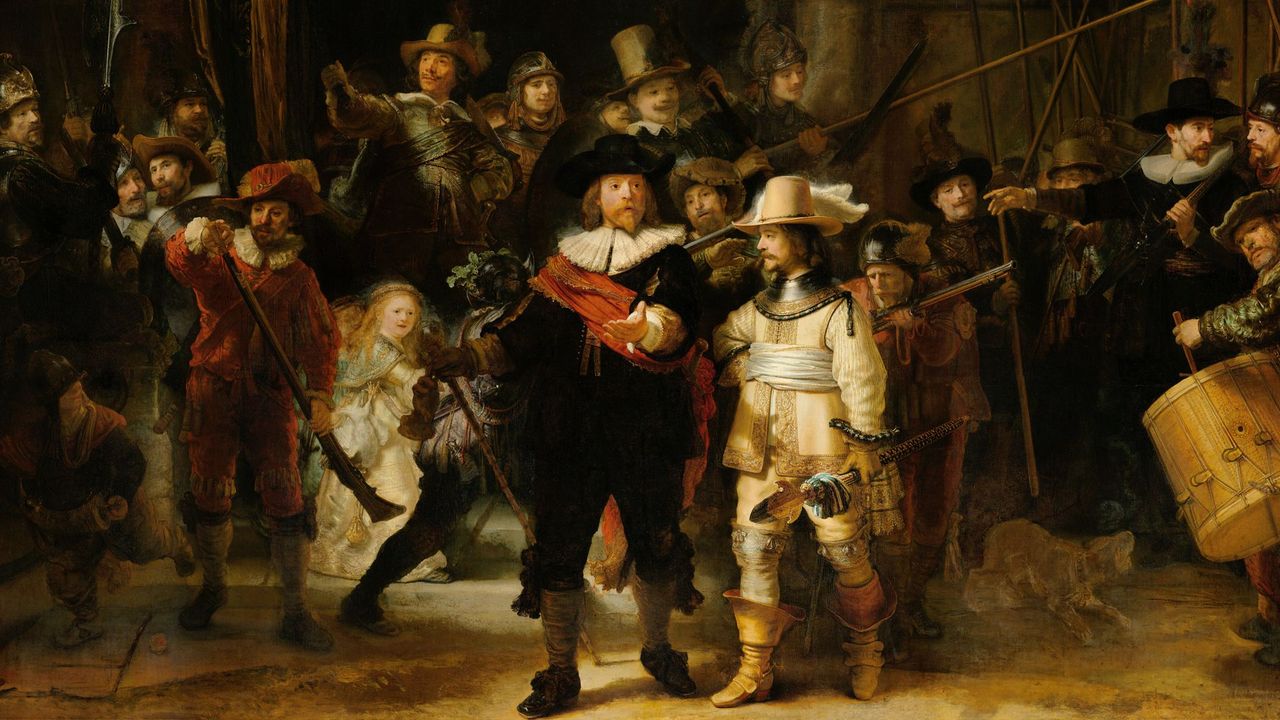
Peter Greenaway’s film explores the creation and political symbolism of this colossal painting by Rembrandt. The artwork is dissected not just as an item of visual art but as a coded commentary on corruption in Amsterdam’s civic guard.
Cultural impact: By framing the film around one painting, Greenaway transformed the audience's engagement with Rembrandt—no longer as static history, but as dynamic, cinematic intrigue.
5. Edward Hopper’s Nighthawks in Pennies from Heaven (1981)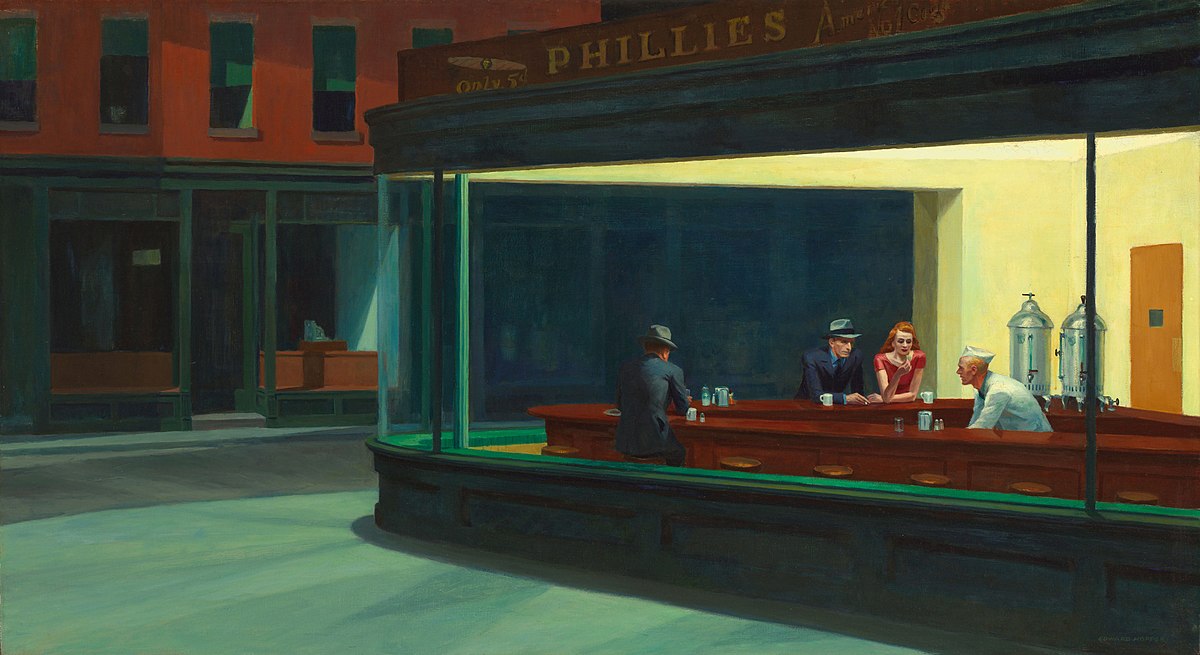
The iconic diner scene by Hopper is recreated as a set in Herbert Ross’s musical drama. The lonely figures and moody lighting echo themes of despair beneath showbiz sparkle.
Cultural impact: Hopper’s paintings often appear in film for their cinematic framing. Nighthawks especially has become shorthand for urban loneliness—its film appearance reinforcing its place in popular culture.
Table: Paintings in Movies and Their Symbolism
Paintings in Movies – Cultural Impact
Cinema immortalises artworks by placing them within emotional, narrative contexts. For many viewers, seeing paintings in movies is their first exposure to such masters as Caravaggio, Goya, or Hopper.
These appearances reframe art from distant museum walls into part of living stories—allowing paintings to enter popular consciousness and cultural dialogue.
Art from Movies – Inspiration for Interiors
The visual power of art from movies also inspires interior design. Recreating the moody atmosphere of Hopper’s Nighthawks or the golden glow of Klimt’s Adele is now a popular décor trend. Film lovers and collectors often seek reproductions or inspired pieces to echo cinematic moods at home.
TrendGallery Integration: Living with Cinematic Art
For those inspired by cinematic masterpieces, TrendGallery.co.uk creates original hand-painted canvases in diverse styles—abstract, figurative, minimalist, or colourful. Each painting is custom-sized, textured, and delivered worldwide.
Notable works include:
-
“SOUL MEDITATION” (£650) – layered blues evoking Hopper’s moody tones.
-
“BULL” (£980) – primal, textured energy reminiscent of Caravaggio’s intensity.
-
“GOLDEN HORIZON” (£720) – shimmering warmth that recalls Klimt’s golden surfaces.
Just as films spotlight famous paintings, TrendGallery offers a way to bring a cinematic art experience into your home.
Conclusion: Bringing Film and Art Together
From Caravaggio’s violent drama to Hopper’s quiet melancholy, paintings in movies show how cinema and fine art enrich one another. These artworks are not props—they are emotional anchors and cultural touchstones.
Celebrate this connection in your own home. TrendGallery’s artists reinterpret styles from every movement, creating hand-painted artworks that channel the drama and atmosphere of films.
➡️ Explore TrendGallery.co.uk and discover how to live with art as cinematic as the movies you love.